


Mysteries behind the walls


By HERB LAGOIS
I have often wondered how some old buildings are still standing, especially when I see what lurks beneath.
I have found things like oddly-sized pieces of wood nailed together to make one piece. Or long skinny timbers spanning almost impossible lengths. It would make any modern-day engineer cringe.
In days gone past, homes were insulated with newspaper, straw, horse hair, and wood shavings. Digging behind the walls can unearth charming treasures: old glass bottles or even love letters. But it can also reveal dangers: old electrical wiring, for example, or asbestos, lead paint, rodent and termite damage.
Surprisingly, many of these old homes have survived, but the things we discover when we set out to restore them are often interesting, to say the least. Comparatively speaking, today’s homes are far better engineered, better designed mechanically and better insulated.
However, if restoration is not done properly, nasty problems can happen that are every bit as potentially dangerous as the methods used many years ago.
If, for example, air and weather barrier detailing is not designed or installed correctly, your home can end up with huge and nasty issues like mold or rotting walls. Improper sealing at windows and doors means moisture will penetrate. Air leakage creates energy inefficiency and higher costs. Other problems include the infiltration of allergens, pollutants, dust, and odours. Indoor air quality is critical and not to be messed with by amateurs or inexperienced contractors.
Other complexities arise with renovations that mix old and new technologies. If you treat an old stone wall incorrectly, even though it has stood there for hundreds of years, it could fail.
I was fascinated lately by the restoration of a magnificent place in Arizona where my wife and I stay during the winter.

The Mission San Xavier del Bac was completed in 1797 and has weathered centuries. Back in the 1700s, traditional building materials for this elaborate piece of Baroque architecture were lime-based mortar and plaster with cactus juice added because they were soft, breathable and flexible in keeping with a desert climate.
But in the early 1990s, when it came time to start restoring the mission, modern-day materials such as cement and stucco created a huge problem. The wonderful old adobe structure began to fail, because cement and stucco were too rigid. They trapped moisture rather than letting the old walls breathe. This led to such internal damage that parts of the building started crumbling into dust behind the cement layer.
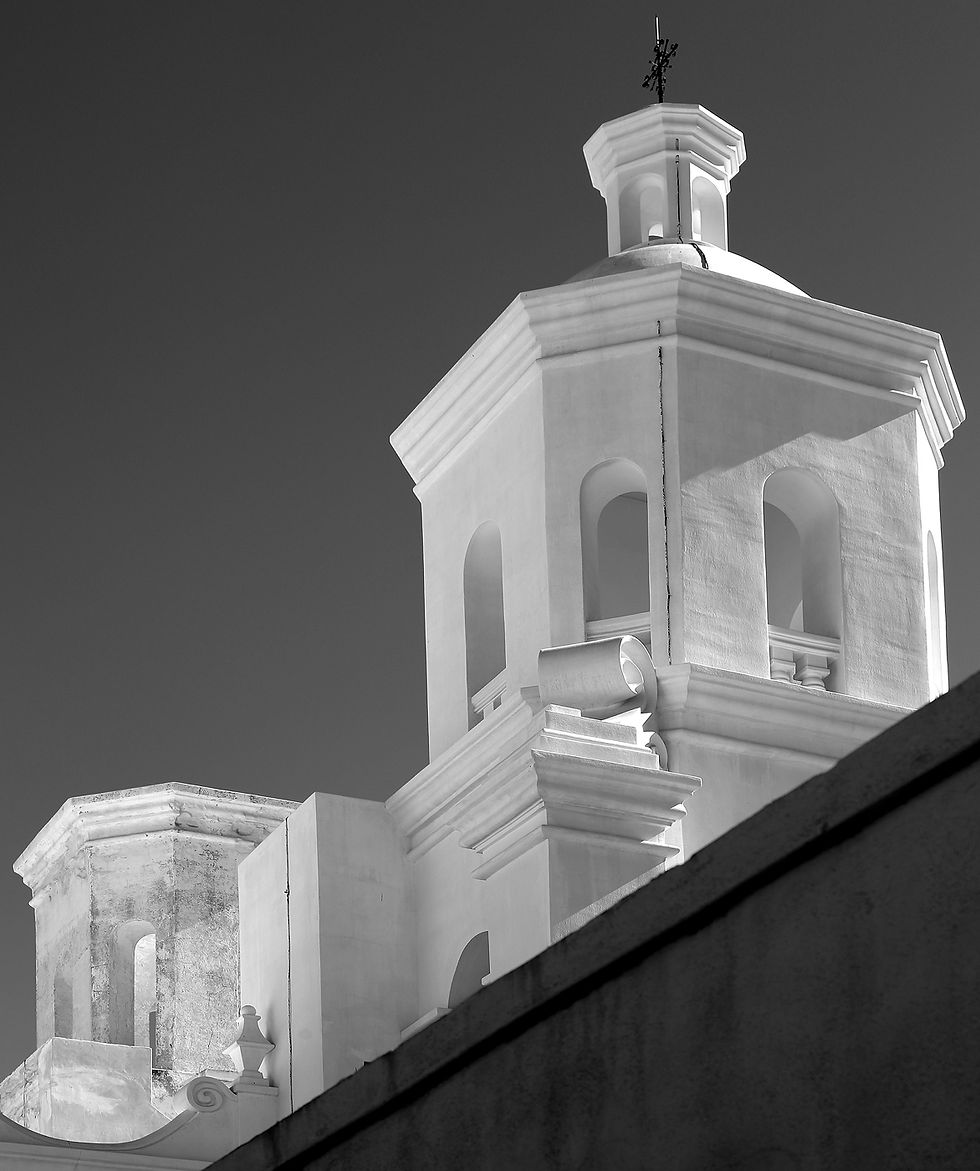
The solution? They had to turn to the original 1700s technology.
The structure was restored using a regional technique of lime-sand plaster with cactus mucilage that allows moisture to evaporate from the walls and roof. The restoration was finally completed this year.
It reminds me why dealing with professionals, who know the environment and technologies ‒ the ones that suit the project ‒ is so critical, not just in preserving history, but in Perfecting the Art of Living® for generations to come.
Herb Lagois is the founder of Lagois Design·Build·Renovate
For more ideas, information and inspiration about your home from Herb Lagois, please sign up to Perfecting the Art of Living®, our monthly newsletter, here.


