


It’s not always the bad guys
- Herb Lagois

- 1 day ago
- 3 min read
By HERB LAGOIS
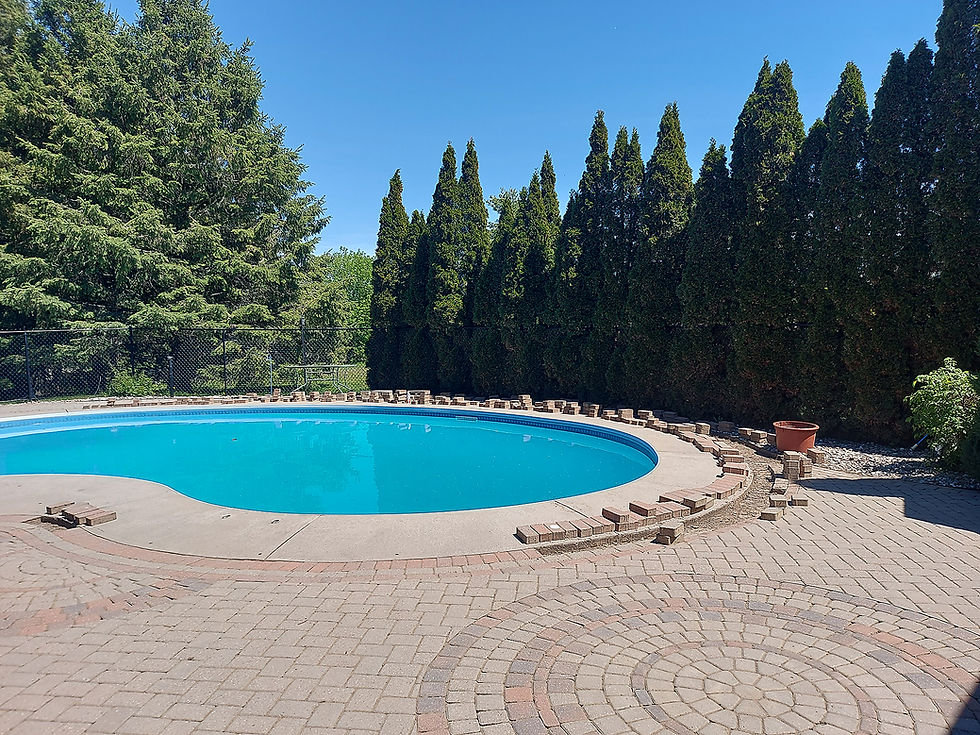
Let me tell you about the time I had a pool installed in my back yard.
The company seemed awfully nice, easy to deal with, and pleasant. That was a good start, I thought.
Turns out it was a nightmare.
They didn’t compact the backfill, and it was full of rocks. Sure enough, over time the pipes rubbed against the rocks during frost action.
You can guess what happened next. The pipes burst.
I had to dig up the interlock and excavate four feet to do repairs. I’ve been digging up and re-leveling that interlock for many years. I’ve spent well over 400 hours on it.
Things do settle naturally no matter the effort put into compacting, but this was not the case. It was complete negligence.
Looking back, I realize I was too trusting. I didn’t supervise or ask specific questions. Had I, or someone from Lagois, done this, it would have saved so much time and aggravation. It would have paid dividends a hundred times over.
What’s so frustrating is that I’m in the business and I know better. Even if I had taken time away from work, maybe invested even 20 hours supervising, it would have been nothing compared to the time I have had to spend on remediation. (I like to think of mistakes as Learning Opportunities, but I’m still mad at myself.)
It makes you wonder what kind of fiascos happen to people who are not in the business, who don’t know what questions to ask or what or how to supervise the work.
Most people, to be sure, do things with good intentions, but how do you know how experienced they are? How do you spot incompetence, lack of skill, lack of knowledge, or inability to manage your project correctly? Even those with good intentions but with not enough experience can be just as devastating as an unscrupulous renovator.
It’s not always the bad guys to look out for. More often than not in our industry, it’s the honest guy who doesn’t know what he’s doing.
So how do you find out? How do you check or inspect renovation (or pool installation) on your own?
First, check certifications. Renovators need to demonstrate certain levels of skill and knowledge beyond experience.
See what association memberships they have ‒ look for GOHBA, OHBA, CHBA, and RenoMark®.
What’s their referral rate like from other homeowners? Ask around.
How many projects like yours have they completed in the last year or so?
Who exactly will be involved in your project? Make sure you meet them in person.
Make sure they carry general liability insurance.
Get all steps and details IN WRITING.
Be clear about scheduling and how they will keep you informed.
It helps when you feel comfortable with them and the company, but as I demonstrated, that’s not enough. Trust is critical but make sure there are reasons for your trust.
Inspect what you expect has been my lifelong philosophy, and I’m proud that Lagois is continuing this. The proof is the fact that we offer a peace-of-mind no-fee five-year warranty. And of course, our five-star Google reviews demonstrate it, too.
If the pool experience ingrained anything in me it was the importance of doing things right the first time, trusting our partners to do things right… yet inspecting what we expect.
It’s literally priceless.
For more ideas, information and inspiration about your home from Herb Lagois, please sign up to Perfecting the Art of Living®, our monthly newsletter, here.



Comments